aturday afternoon in a northern English town. The ground is a ten-minute walk from the high street, and the high street is where the ritual starts. A pint of bitter, a meat pie with a lid of pastry thick enough to survive a tackle, and a crowd of half-scarfed supporters arguing about the left-back. Pie and pint football isn't a marketing slogan. It's the actual texture of lower-league matchday。and it's been quietly holding the professional game's bottom half together for decades.Walk into any pub within a mile of a League One or League Two ground two hours before kick-off and you'll see the pattern. The pies arrive from a local bakery in stacks。
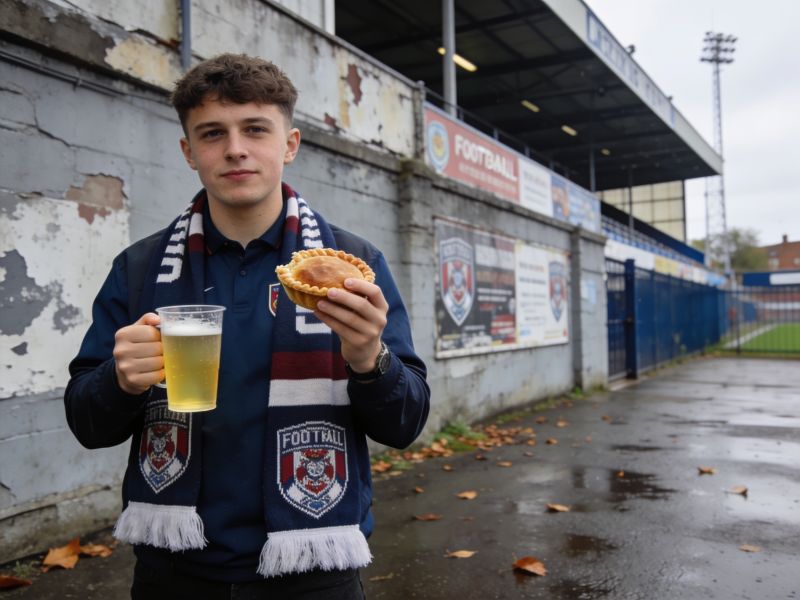
not individually plated. The landlord knows the regulars' orders. There's a compressed, cheerful urgency—drink fast enough to make kick-off, eat something sturdy enough to last ninety minutes. I watched this at a Tuesday night fixture last season: 600 pies sold in ninety minutes from one pub kitchen, and not a single one went to waste. That's not nostalgia. That's a functioning local economy built on football and food.The phrase itself carries weight because it captures a specific class of football experience. Pie and pint football is the opposite of hospitality-box football. It's terracing。not executive seating. It's a £4 pie and a £4.50 pint rather than a three-course meal in a corporate lounge. Clubs have noticed. Several now run 'pie and pint' ticket bundles for midweek games, priced to pull in the casual fan who won't pay £28 for a seat on a cold Wednesday. Southend, Wrexham, and a handful of non-league sides have leaned into it—partly branding, partly survival. When gate receipts dip, the pub-and-pie crowd is the reliable base.There's a practical case, too. A pie is portable. It fits in one hand while the other holds a pint。a programme, or a phone checking the early kick-off scores. It doesn't require cutlery or a table. Anyone who has tried to eat a burger on a crowded terrace understands why the pie won. And the pint?It's a social lubricant with a built-in time limit—finish it before the turnstiles close, and you've completed the pre-match ritual properly. Miss the pint and the afternoon feels somehow thinner.
None of this is romanticised for its own sake. The pie-and-pint economy has real pressures: rising costs, tighter licensing, the slow erosion of pub numbers near town-centre grounds. But the tradition persists because it does something the modern matchday experience often fails to do—it makes supporting a football club feel like belonging to a place。not just purchasing a product. Stand outside a ground at 2:45pm, pint in hand, pastry crumbs on your coat, and you're part of something older and more stubborn than any sponsorship deal. That's pie and pint football. It's not going anywhere.